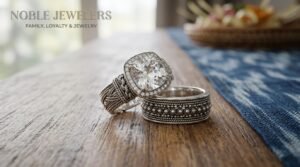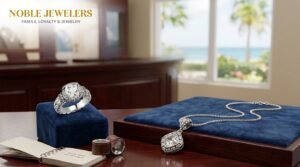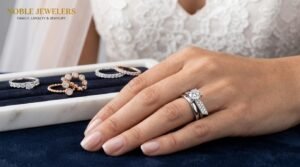
There is something about an asscher diamond ring that stops people mid-sentence. It does not shout for attention the way a round brilliant does. Instead, it pulls the eye inward, deep into a geometric maze of reflections that feels almost architectural. For anyone drawn to the glamour of a past era, this cut carries a quiet confidence that modern shapes rarely match. Shoppers searching for vintage engagement rings with genuine character keep circling back to the Asscher, and for good reason. The history behind it is rich, the craftsmanship is precise, and the look is unmistakably timeless. Let’s get into the details.
What Are Asscher Cut Diamonds?
The Asscher cut did not happen by accident. Joseph Asscher, founder of the Royal Asscher Diamond Company in Amsterdam, developed this cut in 1902. His goal was to create a shape that maximized the inner beauty of a diamond rather than its surface flash. The result was a square stone with deeply cropped corners and wide, layered facets that drew light straight down into the pavilion.
The cut gained immediate recognition. In fact, it was the world’s first patented diamond cut. That patent held until World War II, when production halted, and the design entered the public domain. By then, the Asscher had already left its mark on an entire generation of jewelry lovers.
The Geometry That Defines It
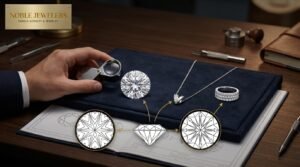
An asscher cut diamond carries 58 facets arranged in a step pattern. Those facets run parallel to the stone’s edges rather than radiating outward from a central point. That structure is what separates step-cut diamonds from brilliant cuts entirely.
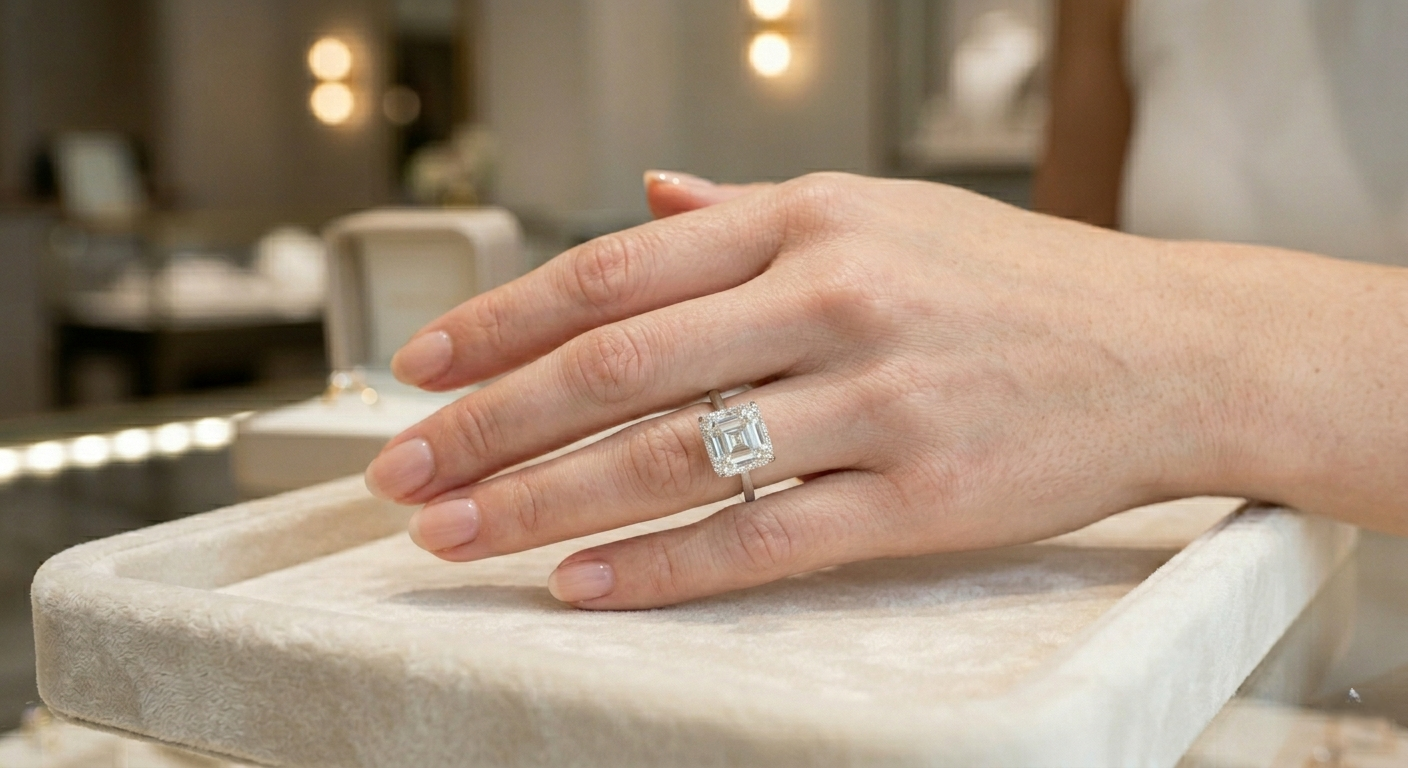
The effect inside the stone is often described as a “hall of mirrors.” Look straight down through the table, and the facets seem to repeat infinitely, creating a hypnotic depth. The cropped corners give the stone its distinctive octagonal outline. It sits slightly higher on the finger than most other cuts because of its deep pavilion, a detail worth knowing before sizing a setting.
The clarity of the diamond matters more here than in brilliant cuts. Step facets do not scatter light the way brilliant facets do. They show the interior of the stone clearly, which means inclusions and color are both more visible. A higher clarity grade, VS2 or better, is typically recommended for an Asscher.
Why the Art Deco Era Claimed It
The 1920s and 1930s were made for this cut. Art Deco rings of that period celebrated symmetry, bold geometry, and architectural precision. The Asscher fit that aesthetic perfectly. Jewelers set it in platinum, surrounded it with baguette side stones and milgrain edging, and created pieces that looked like wearable architecture.
Hollywood stars wore Asscher cuts. Socialites requested them. The shape became synonymous with elegance that did not try too hard. Decades later, that association still holds. Vintage jewelry collectors and modern brides alike pursue the Asscher specifically because it carries that era’s personality.
Many buyers confuse the Asscher with the emerald cut diamond ring style, and the comparison is understandable. Both are step cuts. Both have cropped corners. Both emphasize clarity over sparkle.
The differences come down to shape and proportion. An emerald cut diamond ring is rectangular, longer than it is wide. The Asscher is square, with a 1:1 length-to-width ratio. That square shape produces the distinctive kaleidoscope effect. The emerald cut, by contrast, has a wider table and longer facets that create a different kind of flash.
How to Use Asscher Cut Diamonds in Jewelry?
An asscher diamond ring gives jewelers something interesting to work with. The square shape and geometric nature of the cut suit certain settings far better than others. How it works best with jewelers is below:
-
Right Setting
Solitaire settings work beautifully. A four-prong or eight-prong setting lifts the stone and lets light enter from every angle. The clean lines of the Asscher carry a solitaire without needing any additional ornamentation. It stands on its own.
Halo settings are another strong option. A single row of small round or baguette diamonds surrounding the center stone amplifies the Art Deco mood significantly. Baguette accents along the band reinforce the step-cut language and make the entire piece feel cohesive. This is the style most commonly seen in authentic vintage pieces from the 1920s.
Three-stone settings also complement the Asscher well. Flanking the center stone with matching step-cut side stones, either smaller Asschers or tapered baguettes, creates a balanced, architectural look that aligns naturally with the cut’s heritage.
-
Right Metal
Platinum was the metal of choice during the Art Deco era, and it remains the most popular pairing for an Asscher today. Its naturally white tone does not introduce any warmth to the stone’s color, keeping the diamond looking as crisp as possible. Platinum is also dense and durable, which suits a stone that sits higher on the finger.
White gold offers a similar look at a lower price point. It requires rhodium plating over time, but remains a practical and beautiful option.
Yellow gold is a less expected choice and sometimes the most striking one. A warm gold setting against the cool geometry of an Asscher creates deliberate contrast. Some vintage pieces feature this combination, and modern designers have revived it with great success.
Rose gold leans romantic. It softens the Asscher’s angular nature and works well for buyers who want a vintage feel without the full Art Deco severity.
-
Pendants and Earrings
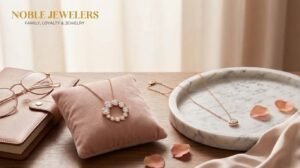
The Asscher cut is not limited to rings. Jewelers use it in pendants with a strong effect. A bezel-set Asscher on a slim chain sits flat against the chest and reads as quietly luxurious. The geometric shape suits minimalist pendant designs particularly well.
Stud earrings with Asscher cut diamonds are less common, but they exist and they make a statement. The square shape is bold enough to stand out without dangling movement. For someone building a coordinated set of rings, pendants, and earrings the Asscher cut ties everything together through a shared design language.
Noble Jewelers Aruba carries a curated selection of diamond jewelry, including rings, pendants, earrings, necklaces, and bangles, alongside loose diamonds for those interested in a custom piece. For buyers drawn to vintage aesthetics, the bridal collection and custom design service offer genuine flexibility to bring a specific vision to life.
Conclusion
The Asscher cut has lasted more than a century because it solves something few diamond shapes manage it rewards patience. The longer one looks into an asscher diamond ring, the more it reveals. That depth, combined with the cut’s undeniable historical credentials, makes it a serious contender for anyone who finds conventional round brilliants a little too obvious.
Buyers who love vintage engagement rings tend to appreciate craftsmanship over spectacle. The Asscher delivers exactly that. It is precise without being cold. It is geometric without feeling mechanical. And it carries the glamour of the Art Deco period in a way that no reproduction can fully replicate.
For anyone exploring this style, the search for the right stone and setting deserves careful attention. Noble Jewelers stands apart from other jewelry stores in Aruba in one meaningful way it does not just sell jewelry; it helps people find pieces that carry personal weight. Ready to find the right Asscher diamond ring? Contact Noble Jewelers or book an appointment at our Oranjestad showroom today.