Buying a diamond should feel exciting, not overwhelming. Yet most buyers pause when they hear terms like color grades, clarity scales, and inclusions. That’s where a clear understanding makes all the difference. Whether someone is exploring engagement rings, timeless pendants, or color diamond jewelry, knowing how diamonds are evaluated helps them make a confident decision.
For buyers exploring Aruba diamonds, the experience becomes even more meaningful. Aruba offers access to expertly curated collections, competitive pricing, and trusted craftsmanship. From classic white diamonds to rare colored stones, the selection reflects both quality and artistry. This guide breaks down diamond color and clarity in simple terms, helping buyers understand what truly matters when selecting diamonds in Aruba.
Why Aruba Diamonds Color & Clarity Matter?
When shopping for Aruba diamonds, color and clarity play a central role in both beauty and value. These two factors directly impact how a diamond looks to the eye and how it reflects light.
Not all diamonds are created equal. Two stones can appear similar at first glance, yet differ significantly in brilliance and price. That difference often comes down to subtle variations in color and clarity.
Understanding these characteristics helps buyers:
- Avoid overpaying for unnecessary features
- Choose a diamond that looks stunning in real life
- Balance quality with budget
What Color Diamonds Are There?
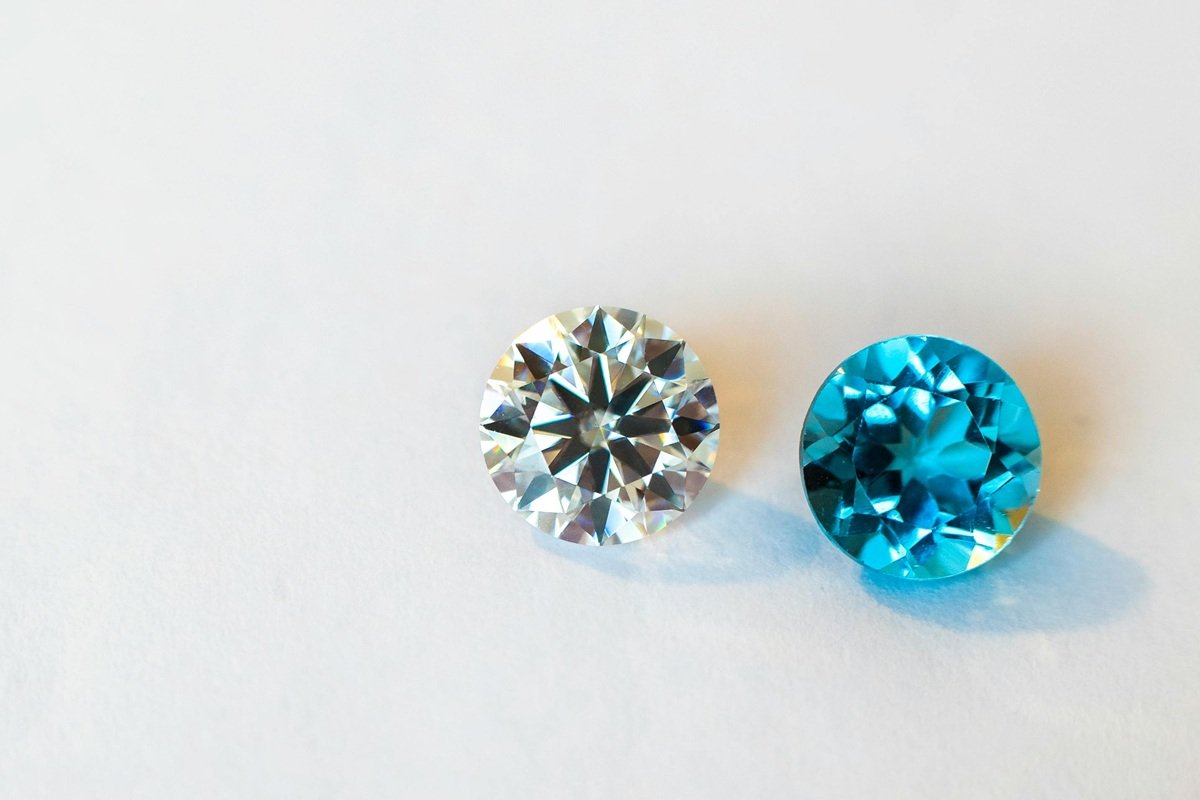
Diamonds come in a wider range of colors than most people expect. While classic white diamonds dominate the market, subtle variations and rare hues can completely change how a diamond looks and feels.
-
Standard Diamond Color Scale (D–Z)
Most diamonds fall within the traditional color grading scale used by the Gemological Institute of America (GIA). This scale measures how colorless a diamond appears.
- D–F (Colorless): These diamonds show no visible color. They are rare and highly valuable.
- G–J (Near Colorless): Slight warmth may appear under close inspection, but they still look white to the naked eye.
- K–M (Faint Color): A soft yellow or brown tint becomes noticeable.
- N–Z (Light Color): Clear color presence, often with a yellow or brown tone.
Diamonds closer to D appear brighter and more brilliant because they allow more light to pass through.
-
Fancy Color Diamonds
Not all diamonds follow the D–Z scale. Some form in vibrant natural colors. These are known as fancy color diamonds and are much rarer.
Common fancy diamond colors include:
- Yellow
- Pink
- Blue
- Green
- Champagne
- Cognac
The intensity of color determines its value and shows which color diamond is best. A deeper, more vivid color usually means a higher price. These stones are often used in color diamond jewelry for bold, standout designs.
What Is Diamond Clarity and How Is It Graded?
Clarity defines how clean a diamond appears, both internally and externally. Every natural diamond forms under intense pressure deep within the earth. During that process, tiny imperfections can develop. These are called inclusions (inside the stone) and blemishes (on the surface).
Here’s the key point. Almost every diamond has some level of imperfection. What matters is how visible those imperfections are and whether they affect the stone’s beauty. When buyers explore Aruba Diamonds, clarity becomes less about chasing perfection and more about choosing a diamond that looks flawless to the naked eye.
-
Clarity Grades Explained
Diamonds are graded under 10x magnification by experts using standardized systems such as those of the Gemological Institute of America (GIA). The clarity scale ranges from completely flawless to visibly included stones.
- FL (Flawless): No inclusions or blemishes, even under magnification. Extremely rare and priced accordingly.
- IF (Internally Flawless): No internal inclusions, only minor surface blemishes. Still very rare.
- VVS1–VVS2 (Very Very Slightly Included): Inclusions are extremely difficult to detect, even for trained graders.
- VS1–VS2 (Very Slightly Included): Minor inclusions that are visible under magnification but usually invisible to the naked eye.
- SI1–SI2 (Slightly Included): Inclusions are noticeable under magnification and may sometimes be seen without it, depending on size and placement.
- I1–I3 (Included): Obvious inclusions that are visible to the naked eye and may affect durability and brilliance.
What this really means is simple. The difference between grades often becomes invisible in real-world viewing. That’s why understanding clarity helps avoid overpaying.
-
Types of Inclusions and Blemishes
Not all imperfections are equal. Some are barely noticeable, while others impact how the diamond reflects light.
Common inclusions include:
- Feathers: Small internal cracks that look like white lines
- Clouds: Groups of tiny pinpoints that create a hazy look
- Crystals: Small mineral deposits trapped inside the diamond
- Needles: Thin, elongated inclusions
Common blemishes include:
- Surface scratches
- Polishing marks
- Natural edges left from the rough stone
The location, size, and number of these inclusions matter more than the clarity grade itself.
Conclusion
Understanding diamond color and clarity changes everything. It removes guesswork and replaces it with clarity and confidence. Buyers no longer chase perfection. They choose what truly looks beautiful.
For those exploring Aruba Diamonds, the opportunity goes beyond just buying jewelry. It becomes an experience shaped by quality, expertise, and trust. From classic white stones to bold color diamond jewelry, the choices are refined and thoughtfully curated.
Noble Jewelers stands out as a trusted Jewelry store in Aruba known for craftsmanship, authenticity, and personalized service. Our team helps buyers find the right piece, not just any piece. Every diamond is carefully selected. Every design reflects attention to detail. A well-chosen diamond lasts forever. Choosing the right jeweler makes sure it feels that way from the very beginning.