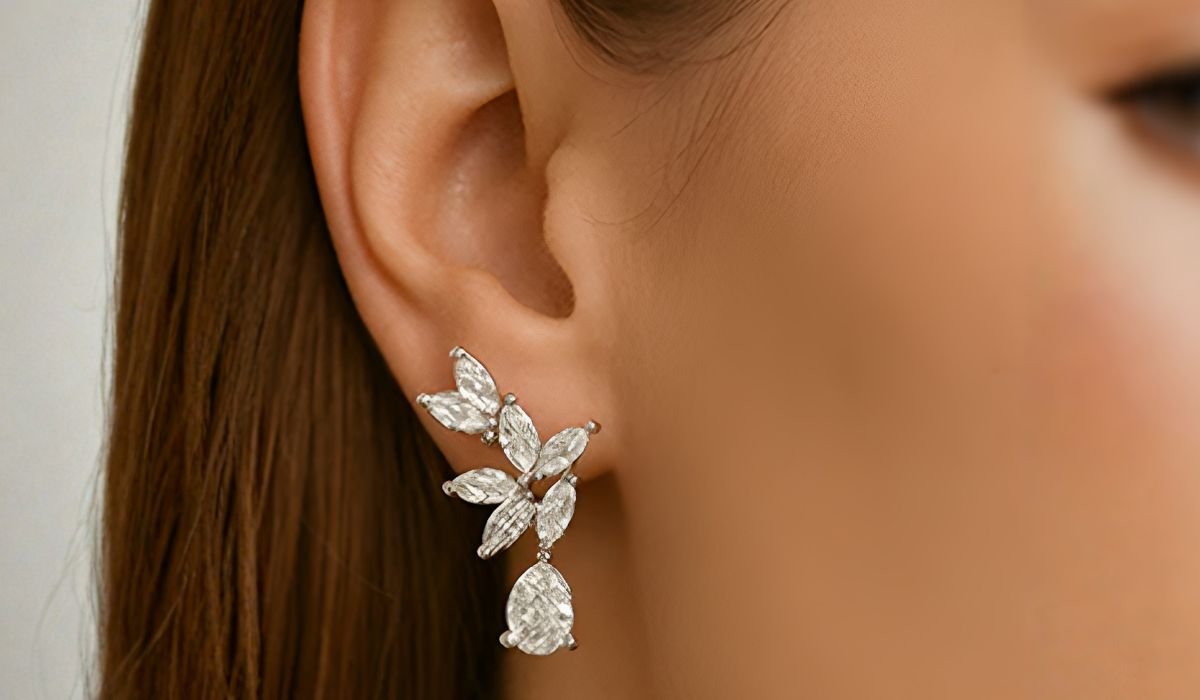
Bold sparkle demands attention, and everyone who purchases fine jewelry wonders how to tell if diamond earrings are real. A diamond is way more than a sparkling number. They’re investment pieces that will last. Real diamond stud earrings should have good fire and brilliance, a solid-quality setting, and small details and hallmarks that verify authenticity.
Whether shopping for classic studs or exploring women’s diamond earrings in Aruba, knowing the difference between genuine and imitation stones helps maintain confidence and minimize regret. This outline breaks down everything you need to understand the difference between real and fake diamond earrings and make smart choices. Let’s break down practical steps anyone can follow.
What Sets Real Diamond Earrings Apart?
How to tell if diamond earrings are real is simple yet important. Real diamond earrings stand out because of how they’re formed, how they handle light, and how they’re set in jewelry. The differences aren’t just visual. They’re physical and measurable. Here’s what truly separates genuine diamonds from imitations.
-
Natural Composition and Hardness
Real diamond stud earrings are special because of what they’re made of and how they’re formed. A diamond is a crystal lattice of carbon atoms that was compacted under immense pressure and heated to high temperatures. That makes it the hardest known natural material on Earth, with a Mohs hardness of 10.
It is this hardness that makes real diamonds scratch-proof and keeps them shiny for decades. Fake stones like CZ or glass are more easily scratched or scuffed and, over time, may become dull. One reason natural diamonds are so enduring: They’re hard, meaning they resist wear and tear.
-
Light Performance and Sparkle
The low refractive index of a diamond is one of its unique features. A good natural diamond is cut to the correct dimensions, causing light to reflect where it should. What is special about these stones is that they reflect white light (brilliance), flashes of colored light, and scintillation, which occurs when you move the gemstone.
They’re sharp, controlled effects; they’re not overly flashy. Fake stones tend to look overly rainbow-colored or glassy. Real diamonds do so with contrast between light and dark areas that makes them have depth and life, not just a flat shine. To keep these beautiful diamonds looking brilliant and sparkly, it’s important to learn how to wash diamond earrings gently, especially if you wear them every day.
-
Density and Weight
A diamond is a dense stone, and that density affects how it feels in your jewelry. If you pick up two stones and they are the same size, one is a diamond while the other is a fake, most likely the diamond will feel weighty and heavy. Many simulants differ in weight.
A same-sized cubic zirconia is usually heavier than a diamond; counterfeit stones made of glass or plastic are lighter. In and of itself, weight is not a litmus test of authenticity, but it’s another clue that adds up with the others. Diamond density is a dichromatic scale used by jewelry appraisers and testers.
-
Clarity and Natural Inclusions
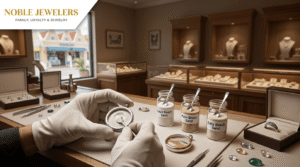
In most natural diamonds, there are tiny internal features called inclusions. These occur during diamond development and no two are alike. When viewed under magnification, a natural diamond will have tiny crystals, faint lines or pinpoints, and small cloudy spots.
These inclusions will not detract from the diamond’s beauty; they attest to its natural origin. The stones are very clean, with no visible inclusions. Under a 10x lens, they look suspicious. They may be lab-grown diamonds in some cases; however, they still require specialized equipment and a professional to confirm this. Organic inclusions are often a reassuring indication of authenticity.
-
Setting Quality and Metal Choice
Real diamonds are rarely placed in low-quality settings. Fine diamonds are typically mounted in precious metals such as gold or platinum because these metals provide strength and security. Quality settings show clean finishing, even prongs, and proper alignment.
Many also carry metal stamps such as 14K, 18K, or PT950. If earrings are made of flimsy metal, have poor finishing, or lack a hallmark, this also raises questions about the stone. High-value diamonds typically feature craftsmanship that matches their value.
-
Heat Conductivity
Diamonds are strong thermal conductors, unlike most synthetic stones. This is the basis for the popular fog test. When someone breathes on a genuine diamond, the fog should dissipate quickly because the stone conducts heat. Imitation stones retain heat, so the fog lingers for a few seconds.
Though this test is easy and not definitive, it offers a rapid at-home gauge. There are also professional thermal testers that operate on a similar principle and provide greater accuracy.
-
Certification and Professional Grading
The most notable difference between real and fake diamond earrings is the paperwork. Genuine diamonds often have grading reports issued by reputable labs such as GIA or IGI.
These reports provide cut, color, clarity, and carat weight. Certification provides buyers with assurance that experts have assessed the stone. Very few counterfeit or low-grade specimens are graded by reputable services. When purchasing diamond earrings in Aruba with a valid certificate, the value adds to the level of trust.
Real vs Fake Diamond Earrings: Quick Comparison
To help you quickly understand the differences at a glance, here’s a side-by-side comparison of real diamonds, cubic zirconia, and moissanite based on key characteristics.
| Test | Real Diamond | Cubic Zirconia | Moissanite |
| Brilliance (white sparkle) | Produces sharp, bright white light with strong contrast. Sparkle looks crisp and lively. | Often looks softer or slightly cloudy. Sparkle appears wider and less defined. | Very bright but can look metallic or overly sharp in strong light. |
| Fire (rainbow sparkle) | Shows small, balanced rainbow flashes. Color never overwhelms the white sparkle. | Displays large and sometimes exaggerated rainbow flashes that can look unnatural. | Known for intense fire. Rainbow flashes are strong and very noticeable. |
| Fog Test | Fog disappears almost instantly because diamonds release heat fast. | Fog lingers for a few seconds due to lower heat conductivity. | May clear quickly like a diamond, making this test inconclusive. |
| Density / Water Test | High density. Sinks quickly and feels solid for its size. | Heavier than a diamond. Also sinks, but extra weight may be noticeable in jewelry. | Density close to diamond. Usually sinks and feels similar in weight. |
| Magnification | Usually shows natural inclusions, such as tiny crystals or faint lines. Rarely flawless. | Commonly looks perfect inside with no natural flaws. | May show inclusions or growth patterns, but they differ from those in diamonds. |
Conclusion
Learning how to tell if diamond earrings are real is not all about fancy tests. It relates to context, craftsmanship, and confidence. Recognizing signs of authenticity certainly helps, but combining that knowledge with expertise provides peace of mind when purchasing fine jewelry at any price. Reputable jewelry stores in Aruba can offer the beauty you desire and the confidence that you deserve.
If certainty matters, it’s worth working with experts who share that commitment. For timeless sparkle and confidence in every detail, stop by Noble Jewelers. Our team guides you in selecting the perfect diamonds, certifies authenticity, and stands behind every piece with personalized service. Contact us by visiting our store or calling to schedule an appointment. Our warmth, deep expertise, and long-standing reputation in Aruba set us apart every time.