
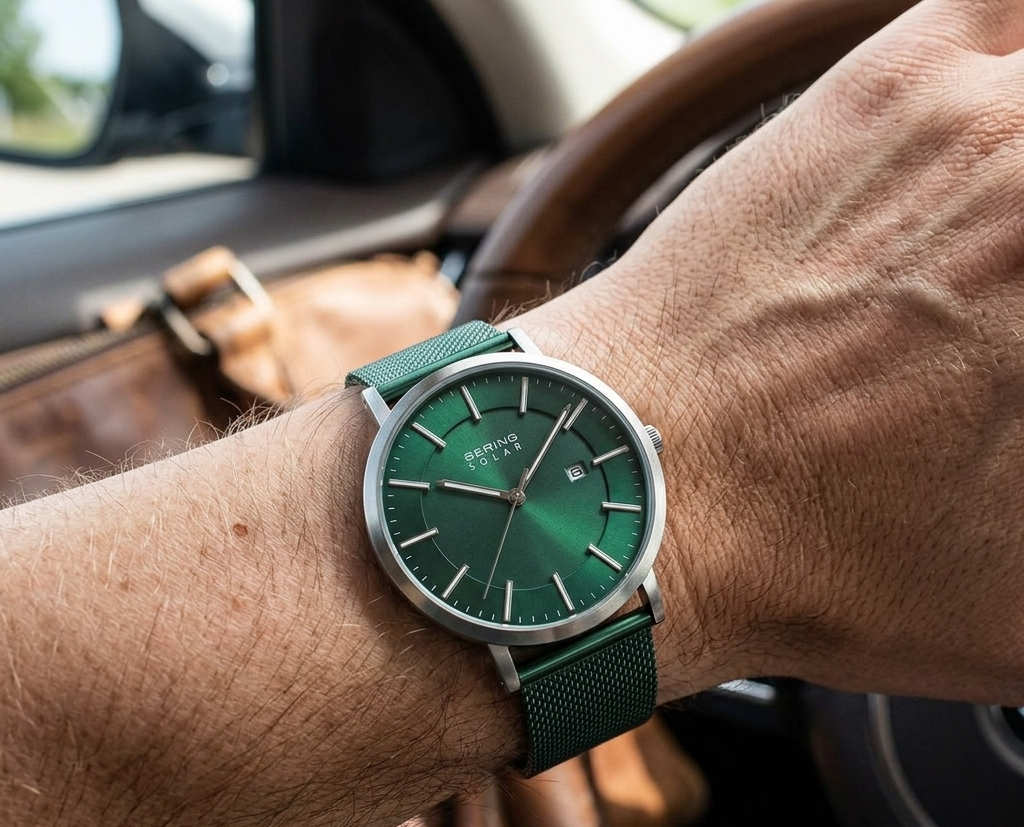
Ask any watch collector what matters most, and most won’t say the dial or the strap. They’ll say the movement. That’s the small engine inside the case that makes the hands move, the date change, and the whole watch actually work. If you are browsing luxury watches for sale in Aruba, choosing a timepiece comes down to more than just finding a design that looks great on your wrist.
Most people buying a watch never learn what’s ticking inside it. That’s a shame, because once you understand the basics, choosing between two watches gets a lot easier. Let’s break it down, so you walk into your next purchase knowing exactly what you’re paying for.
What Does Movement Mean When Browsing Luxury Watches for Sale In Aruba?
A movement (also called a caliber) is simply the mechanism that powers a watch. Every function you rely on, like the second hand sweeping around, the date flipping at midnight, an alarm going off, comes from the movement underneath. Change the movement, and you change how the watch behaves, even if the case and dial look identical.
There are two main families: mechanical and quartz. Understanding the difference between them is the single most useful thing you can learn before buying a watch. Let’s get into each one in detail.
-
Quartz
Introduced in the late 1960s, a quartz movement relies on a tiny battery rather than springs. The battery sends an electrical current through a small piece of synthetic quartz crystal. This current forces the crystal to vibrate at an incredibly high, steady speed, exactly 32,768 times per second.
A microchip inside the watch counts those vibrations and converts them into one precise pulse every second. That pulse drives a tiny motor that moves the watch hands.
Pros
- Incredible accuracy level and very low maintenance.
- A quartz watch will keep running perfectly even if you leave it on your dresser for weeks.
Cons
When comparing mechanical vs quartz, quartz lacks the traditional engineering charm that collectors love, and you will eventually need to change the battery every one to two years.
-
Mechanical
A mechanical watch uses zero electrical power. Instead, it runs purely on kinetic energy stored inside a tightly coiled metal strip called a mainspring. As that spring slowly uncoils, it releases its stored energy through a series of tiny gears and wheels, which ultimately turn the hands on the face of the watch.
Because mechanical watches rely on the physical tension of a spring, they require master craftsmanship to build. Hundreds of microscopic components must fit together perfectly to measure time without a computer chip.
Movements: The Watch That Winds Itself
Within the mechanical world, you will find two styles of timepieces: automatic movement and manual watches (which you must wind by hand every day using the side knob, or crown).
An automatic watch is often called a “self-winding” watch. It contains the exact same base gears and springs as a traditional manual watch, but with a brilliant engineering addition: a heavy, semi-circular piece of metal called a rotor.
[Natural Wrist Movement]
↓
[Rotor Spins 360° Inside Case]
↓
[Gears Turn to Tighten Mainspring]
↓
[Continuous Power Without Manual Winding]
This process of rotor winding means that as long as you wear your timepiece regularly, your natural everyday movements keep the watch fully powered. If you take the watch off, it will keep running on its stored power reserve (usually between 35 and 70 hours) before it falls asleep and needs a gentle shake or a quick manual wind to wake back up.
The Hidden Details Of Jewels and Accuracy
Open up an automatic or mechanical movement, and you’ll find small red stones fitted at key points where metal gears meet. These are jewel bearings, usually made from synthetic rubies. They’re not decoration. Metal rubbing against metal wears down fast and slows a movement over time. A jewel bearing lets the gear pivot with almost no friction, which means less wear, smoother motion, and a movement that keeps accurate time for years longer than it would on plain metal alone.
You’ll often see a number printed on the dial or case back, like “21 jewels.” That number tells you how many of these friction points are protected. It’s a small detail, but it’s one of the clearest signs of how much thought went into building the watch.
Choosing the Movement for Your Lifestyle
Every movement, mechanical or quartz, is rated for movement accuracy, how many seconds it gains or loses over time. So, which engine is right for you? It depends entirely on what you value most in a timepiece.
- Choose Quartz if: You want a reliable, grab-and-go watch that requires zero adjustment and tells the exact time down to the millisecond without daily attention.
- Choose Automatic or Mechanical if: You appreciate fine art, historical craftsmanship, and the romantic idea of owning a tiny machine that runs completely on your own physical movement.
Two watches can look almost the same from across a room and still be worlds apart underneath. A well-made movement, properly regulated bearings, and honest accuracy testing are what separate a watch that lasts decades from one that quietly gives up in a year. This is the part of a watch that a photo can never show you, and it’s exactly why buying from people who actually understand it makes the difference.
Find the Right Movement for You, In Person
Reading about movements only gets you so far. The real test is feeling the weight of an automatic rotor in your palm, hearing the quiet tick of a mechanical caliber, or comparing quartz accuracy side by side with your own eyes. That’s where luxury watches for sale in Aruba offer something online shopping can’t: a chance to try before you decide, backed by duty-free pricing you won’t find back home.
At Noble Jewelers Aruba, we don’t just sell watches; we help you understand what’s inside them, so you choose with confidence. Visit us in Oranjestad to compare automatic, mechanical, and quartz in person, or book a personal consultation with our team and let us match the right movement to the way you actually live. Your next timepiece deserves more than a good look. It deserves the right engine underneath.
Book Your Watch Consultation or Explore Our Watch Collection now!