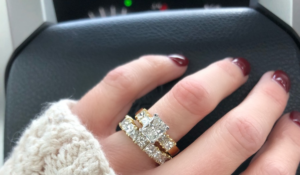

Buying a diamond sounds exciting, but here’s the thing. Once you’re standing at the counter, everything starts to blur. Numbers, grades, and price jumps that don’t add up. Diamond inclusions and clarity grades are where confusion is most common. You hear terms like inclusions and blemishes, and suddenly, you’re wondering if one tiny mark is about to ruin the entire stone or your budget.
That’s the problem most buyers face: diamond clarity feels technical, yet it plays a fundamental role in how a diamond looks, how it reflects light, and how much you’ll pay. The good news is this. You don’t need to be a gemologist to make a wise choice.
Let’s break down what it actually means, how it affects beauty and value, and how to choose the right balance without overspending. Ready to buy with confidence? Let’s get started.
What Diamond Clarity Really Means?
At its core, diamond clarity measures how free a diamond is from tiny natural features called inclusions and surface characteristics called blemishes. These features form deep inside the Earth as the diamond grows under intense heat and pressure. No diamond is truly perfect; most contain these tiny characteristics, but how visible they are makes all the difference in value and beauty.
Clarity is not just what you see with your naked eye. Gemologists use them to analyze clarity using specific techniques and magnification (typically 10×). A stone that looks perfect to the naked eye might have minuscule inclusions only detectible with a microscope.
Why Diamond Clarity Matters?
Clarity is brilliance. When light enters a diamond, it’s expected to pass through the crystal and exit it, producing a spectrum. Additional internal features can also interfere with the light, reducing the stone’s brilliance. Although cut is typically the most critical factor affecting sparkle, clarity is a close second.
Inclusions also influence durability. Some internal characteristics, such as tiny cracks (feathers) or large crystals, can make a diamond weaker if they are in the wrong place. Understanding these inclusions and their effects on the stone helps buyers make an informed decision, especially when dealing with fragile jewelry that will be passed down through generations.
What Are Diamond Inclusions And Clarity Grades?
Diamond inclusions and clarity grades are natural features formed deep within the earth as a diamond grows under heat and pressure. They are not damaged, and they are not the same as surface scratches. Think of them as a diamond’s fingerprint. No two stones have the same pattern.
Here’s what the most common inclusions actually mean for a buyer:
- Pinpoints are tiny dots that usually have little to no effect on sparkle.
- Clouds are clusters of pinpoints. In higher grades, they’re invisible. In lower grades, they can slightly dull brilliance.
- Feathers are minor internal fractures. Most are stable and harmless when they don’t reach the surface.
- Crystals are trapped minerals. Visibility depends on size, color, and location.
- Twinning wisps are natural growth patterns that rarely affect appearance.
What really matters is placement. Inclusions in the table are easier to see than those near the edges, which the setting can obscure. Very Slightly Included diamonds have slight inclusions that are difficult to see under 10× magnification and are almost always invisible to the naked eye. Very, Very Slightly Included diamonds have tiny inclusions that are difficult to see even under 10× magnification and are never visible to the naked eye.
In many VS and VVS diamonds, inclusions can’t be seen without magnification. That’s why guidance from an experienced jeweler helps separate harmless details from deal-breakers.
The Diamond Clarity Grade Chart Explained
Professional diamond grading follows a standardized scale developed by gemological laboratories. This chart helps buyers understand how internal features (inclusions) and surface characteristics (blemishes) affect a diamond’s clarity and value.
| Clarity Grade | What It Means | Visibility |
| FL (Flawless) | No inclusions or blemishes under 10× magnification | Perfect under the microscope (extremely rare) |
| IF (Internally Flawless) | No internal inclusions; minor surface blemishes | Clean inside, only tiny surface marks |
| VVS1 & VVS2 (Very, Very Slightly Included) | Minute inclusions that are extremely hard to see | Hard to see, even with magnification |
| VS1 & VS2 (Very Slightly Included) | Minor inclusions are visible under magnification | Tiny imperfections visible only at 10× |
| SI1 & SI2 (Slightly Included) | Noticeable inclusions under magnification | May or may not be visible to the naked eye |
| I1, I2, I3 (Included) | Noticeable inclusions that may affect performance | Seen easily without magnification |
By comparing grades, you can make a clear choice about which gem is right for you, aligning with your priorities for brilliance, durability, and value. This scale gives buyers a straightforward way to balance beauty and budget. Most diamonds sold fall between VS and SI grades because they often appear eye clean, meaning you won’t see imperfections without magnification, yet offer strong value.
Conclusion
Understanding diamond clarity is crucial when selecting a diamond, whether for an engagement ring, a thoughtful gift, or a cherished heirloom. By considering clarity alongside other factors, you can ensure that your diamond choice not only shines beautifully but also holds lasting value. Make an informed decision and select the perfect diamond for your special occasion.
For excellent selection and service when choosing a stone at a jewelry store in Aruba, Noble Jewelers stand out. We offer our clients both expert diamond knowledge and personalized service to answer questions about clarity and help them find one they fall in love with over many years. If you’re ready to browse quality diamonds or create custom jewelry, visit Noble Jewelers or contact us online.
Our experts take time to explain clarity, the diamond clarity chart explained in plain words, and how each option will impact beauty and value. Select a jeweler who listens, educates, and leads with transparency because your diamond should sparkle, not just in direct light and under the scrutiny of a microscope, but also when shared with an admiring world. Book your visit or virtual appointment today and take the guesswork out of finding the perfect diamond.