If you’re visiting Aruba and planning a proposal or shopping for fine jewelry, choosing the right diamond can feel intimidating. Between unfamiliar terms, bright showroom lighting, and stones that look nearly identical, it’s easy to assume that sparkle alone equals value. Unfortunately, many travelers realize too late that what they purchased isn’t a genuine diamond.
This confusion can be avoided by learning the most common fake diamond names and how they differ from real diamonds. You can shop confidently during your Aruba getaway. Whether you’re browsing for a loose stone or picking a ring at a trusted local jeweler, this guide helps you make smart choices that combine style, quality, and lasting value.
Which Stones Are Considered Fake Diamonds?
Anyone shopping for jewelry should understand the most common diamond simulants. While these stones may resemble real diamonds at first glance, their durability, value, and long-term value differ significantly.
Below are the most common fake diamond names you’re likely to encounter.
-
Cubic Zirconia (CZ)
One of the most popular diamond substitutes is cubic zirconia, admired for its brilliant sparkle and beautiful appearance at a reasonable cost. Despite its first look, CZ has serious disadvantages.
- Seems perfect to the unaided eye.
- Reasonably priced in comparison to genuine diamonds
- Less resilient and prone to scratches over time
CZ is a poor option for individuals seeking a long-term investment in fine jewelry, as it lacks resale potential and long-term value, despite its appeal as fashion jewelry.
-
Moissanite
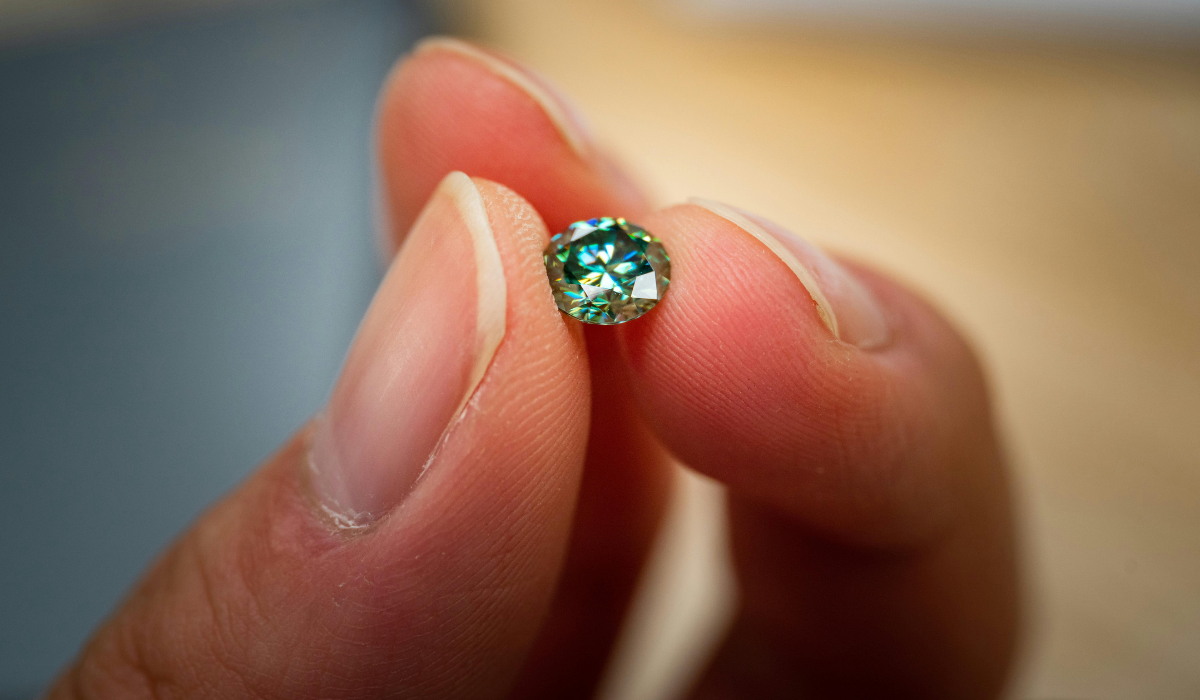
Moissanite is often mistaken for a diamond due to its exceptional brilliance, sometimes even more fiery than a real diamond. It is more durable than CZ and suitable for daily wear, but it still cannot match the lasting value of a genuine diamond.
- Extremely durable
- Sparkles intensely, even more than diamonds
- Costs less than diamonds, but it only holds limited resale value
Moissanite can be a temporary style option, but if your goal is a timeless, valuable piece, a real diamond is irreplaceable.
-
White Sapphire
White sapphires are natural gemstones with a clear and elegant appearance similar to diamonds. They are slightly more durable than CZ or glass, but their sparkle and brilliance are less.
- Natural gemstone with reasonable durability
- Less brilliant than diamonds
- Affordable but understated
White sapphires may appeal to those on a tight budget, but they cannot replicate the unmatched fire, value, or prestige of a real diamond.
-
Glass or Crystal
Glass and crystal are also sometimes used as very inexpensive alternatives to diamonds. From a distance, they may look like diamonds, but because they are less durable and have less sparkle, they are not considered good long-term jewelry purchases.
- Low durability; easily damaged
- Minimal brilliance and sparkle
- No long-term value
These materials are suitable only for costume or decorative jewelry, not forfine jewelry or heirloom pieces.
Real Diamond vs Fake Diamond: What’s the Difference?
Understanding the difference between a real diamond vs fake diamond helps you make smarter purchasing decisions. While they may look similar at first glance, their properties differ significantly.
-
Composition
Genuine diamonds are pure carbon formed under immense pressure millions of years ago. Synthetic or lab-grown diamonds are made from other materials.
-
Durability
Diamonds are the hardest naturally occurring material in the world. But many fakes scratch, cloud, or dull over time.
-
Brilliance and Light Reflection
Real diamonds reflect light in a balanced, crisp way. Simulants often appear overly sparkly or glassy.
-
Certification
Authentic diamonds come with professional grading reports. Fake stones usually do not. A reputable jewelry store in Aruba will clearly explain these differences and provide proper certification.
What Determines Real Diamond Worth?
Long-lasting value is a major reason people prefer a real diamond. Unlike most fake stones, a diamond’s worth does not disappear after purchase.
Key factors that define a real diamond’s worth include:
- Cut: Determines brilliance and sparkle
- Color: Less color equals higher value
- Clarity: Fewer inclusions increase worth
- Carat Weight: Larger diamonds are rarer and more valuable
Real diamonds also maintain emotional and financial significance. They are often passed down through generations, used as investments, or resold, something fake diamonds cannot offer.
Are Fake Diamonds Ever a Good Choice?
Fake diamonds can be a good option depending on your goals. If you are looking for affordability, trendy jewelry, or a temporary piece, simulants such as cubic zirconia or moissanite can be a good fit. However, if you value longevity, authenticity, and resale potential, real diamonds remain unmatched.
Final Thoughts
Many stones can resemble diamonds, but not all are equal in beauty, durability, or value. Understanding the differences between real and fake diamonds, and recognizing what makes a diamond real, gives you the confidence to make a smart purchase.
Aruba is known for its reputable jewelers, competitive pricing, and access to high-quality gemstones. A professional jewelry store in Aruba offers:
- Certified real diamonds
- Transparent pricing
- Expert comparisons of real diamond vs fake diamond
- Guidance on the real diamond worth
This level of trust ensures you leave with jewelry that meets your expectations and aligns with your investment goals. Noble Jewelers stands out for its expertise, certified diamonds, and transparent guidance, helping you select jewelry that combines style, authenticity, and lasting value. With the right knowledge and the right jeweler, your jewelry becomes more than just a purchase; it becomes a timeless treasure.